

The BBC Panorama programme discussed the issue of Private GP shortages in England. The NHS is seeing the first sustained fall in GP numbers in the UK in 50 years. The number of GPs per 100,000 people has fallen from nearly 65 in 2014 to 60 last year, analysis by the Nuffield Trust for the BBC shows. The last time numbers fell like this was in the late 1960s, and it comes at a time when the population is ageing and demands on GPs are rising
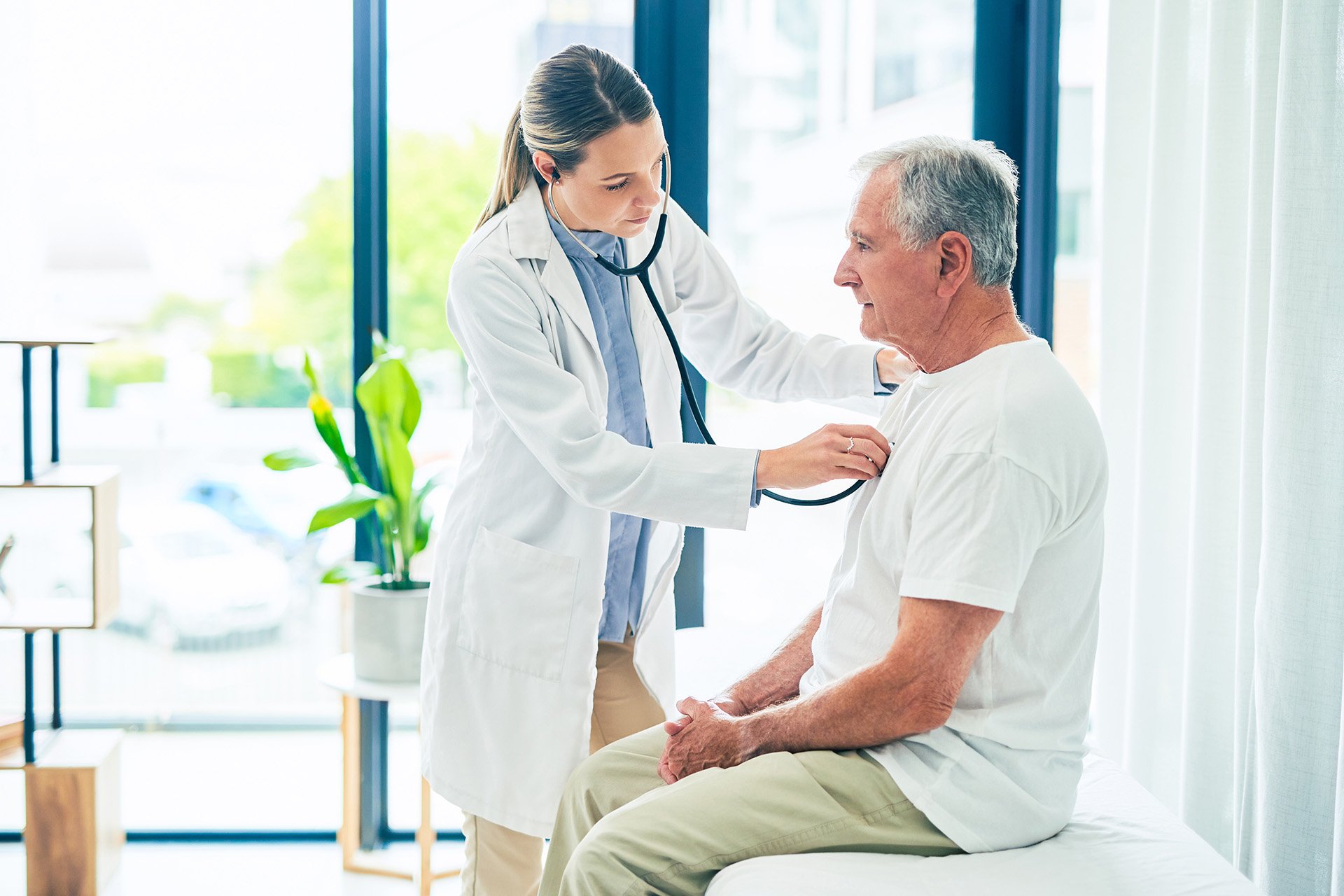
Further evidence that taking anti-HIV drugs stops gay men passing on the virus to sexual partners has been called a "powerful message" which should be more widely known. A study found no cases of HIV transmission over eight years. This was due to treatment reducing the virus to very low levels in the body.

Soldiers are to be issued blood-clotting injectors to save lives on the battlefield. The new autoinjector will allow soldiers to self-administer life saving drugs at the push of a button. The government plans for the technology, once proven by soldiers, to be used by all first responders in Britain, in a bid to reduce deaths from rapid blood loss such as after knife attacks.

An NHS scheme that has enabled GP practises to free up more time for doctors to see their patients is to be extended following a successful pilot. SameDayDoctor private GP clinics offer telephone and email consultations as well as face-to-face full clinical examinations and consultations.

Unhealthy diet causes one in seven deaths in Britain every year, a Lancet study suggests. The research found lack of fruit and fibre is taking the heaviest toll, fuelling conditions such as cancer, heart disease and diabetes. The study by the University of Washington identified lack of wholegrain, nuts and fruits as the worst elements of the British diet.
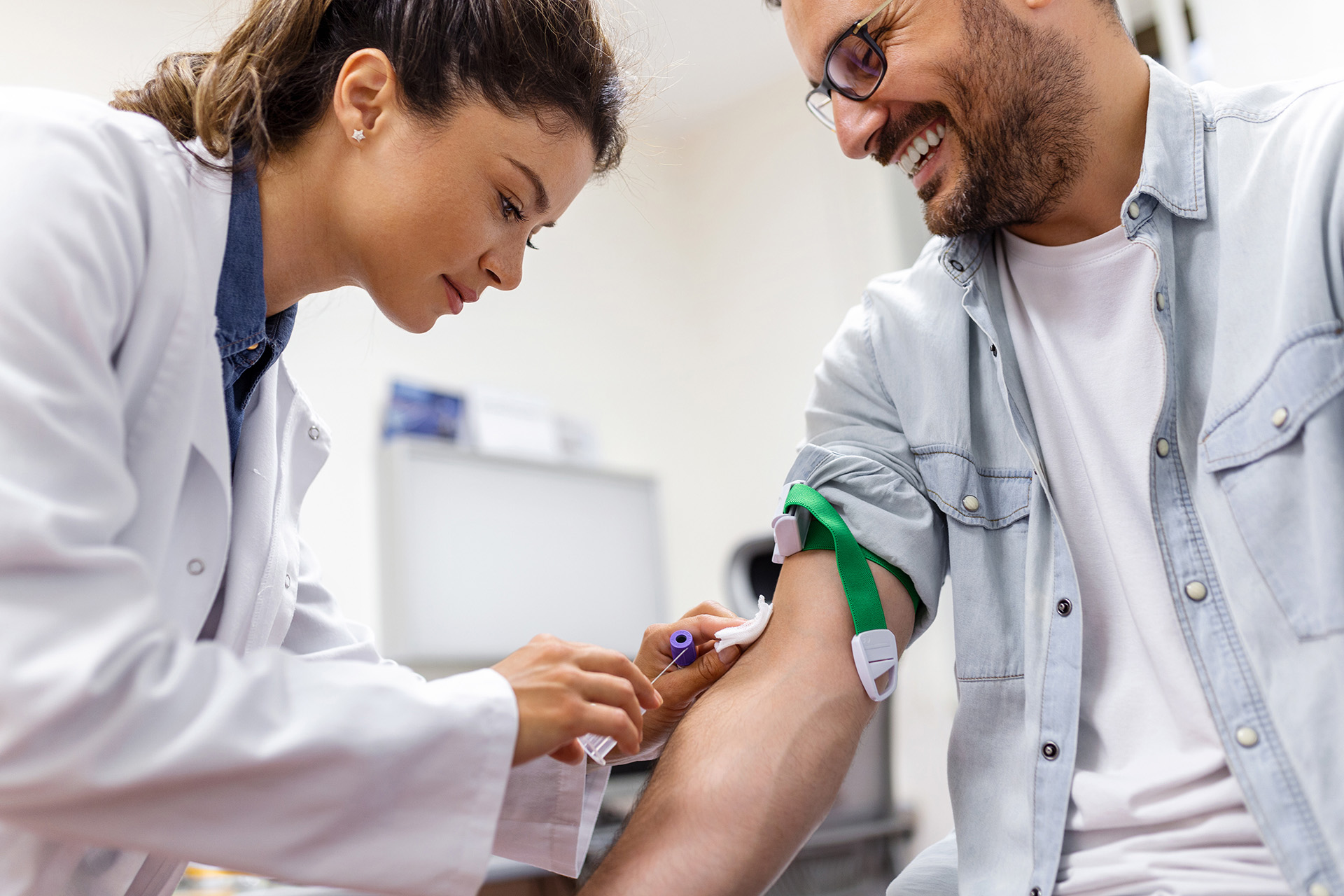
The flu vaccine is so far proving more effective in children than in adults in the UK, mid-season figures suggest. The nasal spray flu vaccine is 87% effective in children aged two to 17 against the main circulating flu strain, influenza A(H1N1)pmd09, Public Health England data indicates. Meanwhile, the flu vaccine is 39% effective against the same strain in adults aged 18 to 64.

England will be the first country in world to have no new HIV cases, the health secretary said today. Matt Hancock told a global summit that the goal is “now within our grasp” with the capital already surpassing targets which were set by the United Nations. The Health Secretary said medical breakthroughs, including medication to treat and prevent the spread of disease, meant Aids is no longer a death sentence.

Our interview with Julia Hartley-Brewer on Talk Radio this morning covered the updated advice that aspirin should not be used to prevent heart attacks because it has an unacceptable level of side effects, particularly the risk of bleeding which can be serious. We have observed cerebral (brain ) bleeds in patients on preventative aspirin and for this reason we have not advised taking low dose aspirin to ward of heart attacks

The variation in the availability of GPs in different parts of England is shocking, doctors' leaders say. A BBC analysis has found close to a threefold difference between the areas with the most and fewest doctors. In one area - Swale in Kent - there is only one GP for every 3,300 patients, while in Rushcliffe in Nottinghamshire it is just under one for every 1,200.
